Jaw pain that radiates into your neck and shoulders. Headaches that greet you before you've had your first cup of coffee. A partner who nudges you awake because your breathing has stopped — again. These aren't minor inconveniences to push through. They're signals that something in your oral system deserves serious attention. TMJ disorders and sleep apnea are two of the most under-treated conditions in dentistry — partly because their symptoms feel unrelated to the mouth, and partly because patients aren't sure where to turn. The answer, in many cases, starts here. At Alaska Smiles, we approach both conditions with the same precision and personal investment we bring to every aspect of care. Your jaw, your airway, and your sleep are deeply connected — and addressing them well requires a provider who takes the time to understand the full picture. We don't hand you a generic mouthguard and send you on your way. We listen, diagnose carefully, and build a treatment plan around what your body actually needs and what your life looks like. If you've been managing chronic jaw discomfort or waking up exhausted despite a full night in bed, you don't have to keep accepting that as normal. There's a path forward, and it's more accessible than you might expect.
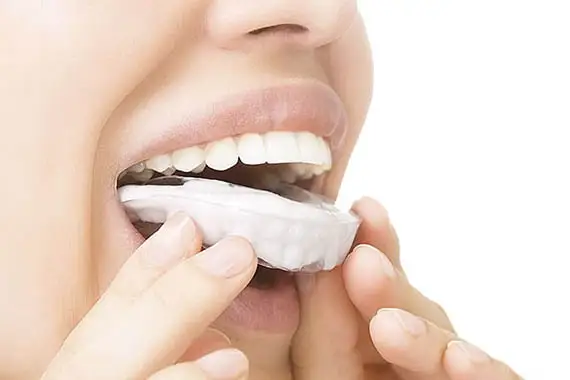
The temporomandibular joint — your TMJ — is one of the most complex joints in the body. It connects your lower jaw to your skull and guides nearly every movement your mouth makes: chewing, speaking, yawning, laughing. When that joint is under stress, inflamed, or misaligned, the effects can radiate well beyond your jaw. Common signs of TMJ dysfunction include: persistent jaw soreness or stiffness, clicking or popping when you open and close your mouth, difficulty chewing or a sensation that your bite feels "off," chronic headaches or migraines, and tension that travels into the neck, shoulders, and ears. Many patients have lived with these symptoms for years without connecting them to their jaw. Treatment at Alaska Smiles begins with a thorough evaluation — not a rushed glance, but a genuine diagnostic conversation about your symptoms, your history, and what's affecting your quality of life. Depending on what we find, treatment may include a custom oral appliance that gently repositions your jaw to relieve pressure, targeted bite adjustments, or a coordinated care plan that involves your broader health team if needed. Every appliance we create is custom-fabricated to fit your mouth precisely — because a device that doesn't fit well doesn't work well. That standard of craft isn't negotiable here.
Starting treatment for TMJ or sleep apnea at Alaska Smiles is a straightforward process — and you'll never feel like you're navigating it alone. Your first visit begins with a comprehensive evaluation. We'll review your symptoms in detail, examine your jaw function and bite, and discuss your sleep history and any existing diagnoses. If you've already had a sleep study, bring those results — they're useful context. If you haven't, we can discuss whether a referral for a sleep evaluation makes sense before we proceed. For TMJ treatment, the timeline varies depending on severity. Many patients experience meaningful relief within a few weeks of wearing a well-fitted oral appliance consistently. We'll schedule follow-up visits to assess how your jaw is responding and make any necessary adjustments. Progress matters to us — we track it carefully. For sleep apnea, oral appliance therapy is often an effective alternative to CPAP for patients with mild to moderate obstructive sleep apnea, or for those who find CPAP intolerable. We'll work in coordination with your physician to ensure the approach is clinically appropriate for your specific situation. Throughout your care, you'll have a consistent team that knows you — and after each significant appointment, you can expect a personal follow-up. Not an automated reminder. A real call, from someone who wants to know how you're actually doing. Treatment planning is always shaped around your goals, your schedule, and your budget — because what works clinically has to work for your life, too.

The outcomes of well-managed TMJ and sleep apnea treatment aren't subtle. Patients describe waking up rested for the first time in years. Headaches that were a daily fixture slowly becoming infrequent — then rare. Eating without wincing. Laughing without bracing for jaw pain afterward. A partner sleeping soundly in the same bed again. These are real, measurable changes in quality of life — and they often come faster than patients expect once the right treatment is in place. For TMJ patients, a properly fitted oral appliance can reduce joint pressure and muscle tension significantly, often within the first few weeks of consistent use. Over time, many patients see their symptoms resolve or become manageable enough that they no longer shape daily decisions. For sleep apnea patients, oral appliance therapy offers the breathing support of CPAP in a form that's smaller, quieter, and far easier to wear consistently — which means better adherence, and better outcomes as a result. More restful sleep has downstream effects on energy, mood, cardiovascular health, and cognitive function. It matters more than most people realize. At Alaska Smiles, we measure success not just by clinical markers but by what you tell us. Did the headaches improve? Are you sleeping better? Does your jaw feel different? Those answers guide how we adjust and refine your care — because the goal was never just to provide a device. The goal is to give you your life back.

"The staff was really nice and made sure I felt comfortable throughout my appointment from start to finish. Very friendly patient and considerate."